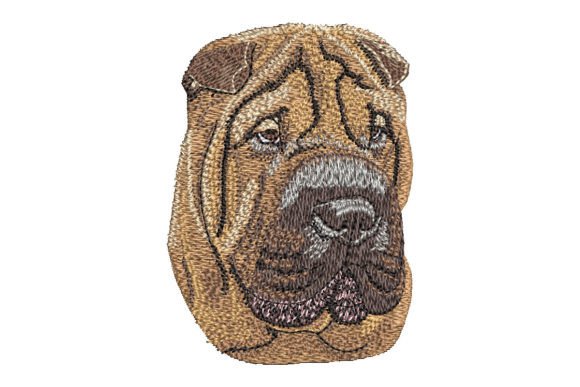
Sweet Dreams Embroidery Design Review
First Impressions of Sweet Dreams
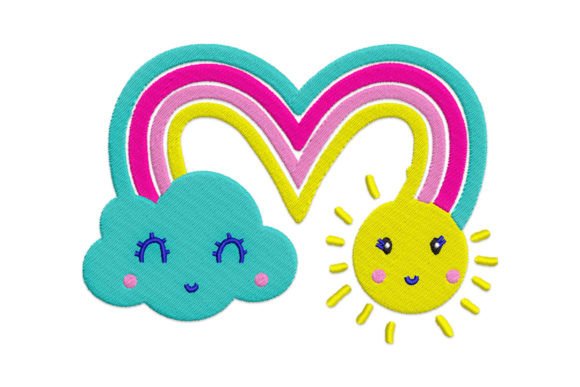
As an experienced embroidery designer, my first encounter with the Sweet Dreams machine embroidery design was immediately warm and inviting. This design carries a gentle charm that feels perfect for creating personalized gifts with emotional appeal. Its mood is soft and comforting, making it ideal for nursery room decor and kids' clothing. The level of detail in the design is just right—not too intricate to overwhelm, but enough to add a sense of elegance and handmade quality.
The emotional connection this design evokes makes it particularly appealing for baby-related items. It feels sweet, playful, and classic all at once, which is a rare balance. Whether stitched on a pillow cover or a baby blanket, Sweet Dreams has the potential to create a meaningful keepsake that customers will cherish for years.
Applications for Personalized Gifts
Sweet Dreams is incredibly versatile and can be used across a wide range of products. Here are some of the most effective applications:
- Baby embroidery: Stitch it on onesies, bibs, or blankets to create adorable nursery items.
- Wedding gift: Use it as a subtle motif on pillow covers or embroidered towels for a romantic touch.
- Family keepsakes: Add it to custom aprons or tote bags for a personal and heartfelt gift.
- Personalized towels: Embellish kitchen towels or bath towels with this design to make them feel special.
- Nursery decor: Create matching pillow covers, wall art, or crib bumpers with this charming design.
- Etsy listings: Showcase Sweet Dreams as a digital embroidery file for craft fair products or small shop offerings.
Whether you're an Etsy seller or running a small gift shop, this design offers a unique way to stand out in the market. Its versatility allows for creative use in both home decor and wearable items, making it a valuable addition to any product line.
Considerations for Using Sweet Dreams
While Sweet Dreams is a beautiful design, there are certain situations where extra care should be taken:
- Small lettering: If the design includes text, ensure that the font size is large enough to remain legible after stitching.
- Delicate details: Pay close attention to fine lines and curves during the embroidery process to maintain the design's integrity.
- Textured fabric: Test the design on different fabric textures to see how it reacts, especially if using items like woven towels or stretchy baby clothes.
- Dark fabric: Confirm that the thread colors provide good contrast when used on dark backgrounds.
- Frequent washing: Consider using a high-quality stabilizer to prevent distortion on products that will need regular laundering.
It’s also important to review the stitch density and hoop size before finalizing your project. Always test the digital embroidery file on scrap fabric first to catch any issues early on.
Impact on Giftability and Customer Engagement
The presence of Sweet Dreams on a finished product can significantly enhance its perceived value. Customers are often drawn to handmade products that carry a personal touch, and this design adds just that. It helps build trust with buyers by showing attention to detail and quality craftsmanship.
When used on items like embroidered towels or pillow covers, Sweet Dreams can elevate the overall look and feel of the product. This not only increases buyer engagement but also improves product photography—especially when paired with a printable mockup for previewing the final look.
For Etsy sellers or small shop owners, incorporating this design into custom orders can help attract customers looking for unique, personalized gifts. The emotional connection created by this design can turn a simple item into a cherished keepsake.
Practical Embroidery Notes
To ensure the best results with Sweet Dreams, follow these practical tips:
- Test on scrap fabric: Always do a test run before starting a full project to check how the design looks and feels.
- Check thread color contrast: Ensure that the chosen thread colors match well with the fabric color for optimal visibility.
- Confirm hoop size: Make sure the hoop size is appropriate for the design to avoid stretching or distorting the fabric.
- Review stitch density: Adjust the stitch density if needed to ensure even coverage without overwhelming the fabric.
- Use proper stabilizer: A good stabilizer can help maintain the shape and detail of the design, especially on stretchy or textured fabrics.
- Compare light and dark fabric mockups: See how the design appears on different fabric colors to choose the best option for your product.
- Check small details after stitching: Inspect the finished piece closely to ensure all elements of the design are visible and intact.
- Confirm commercial licensing: If you plan to sell finished products, make sure the digital embroidery file is properly licensed for commercial use.
These steps will help ensure that the final finished product meets your standards and satisfies your customers. Remember, even the best machine embroidery design requires careful planning and execution to achieve the desired outcome.